Editorial
Plain, researched writing on what betrayal does, how trust breaks and rebuilds, and what actually helps.
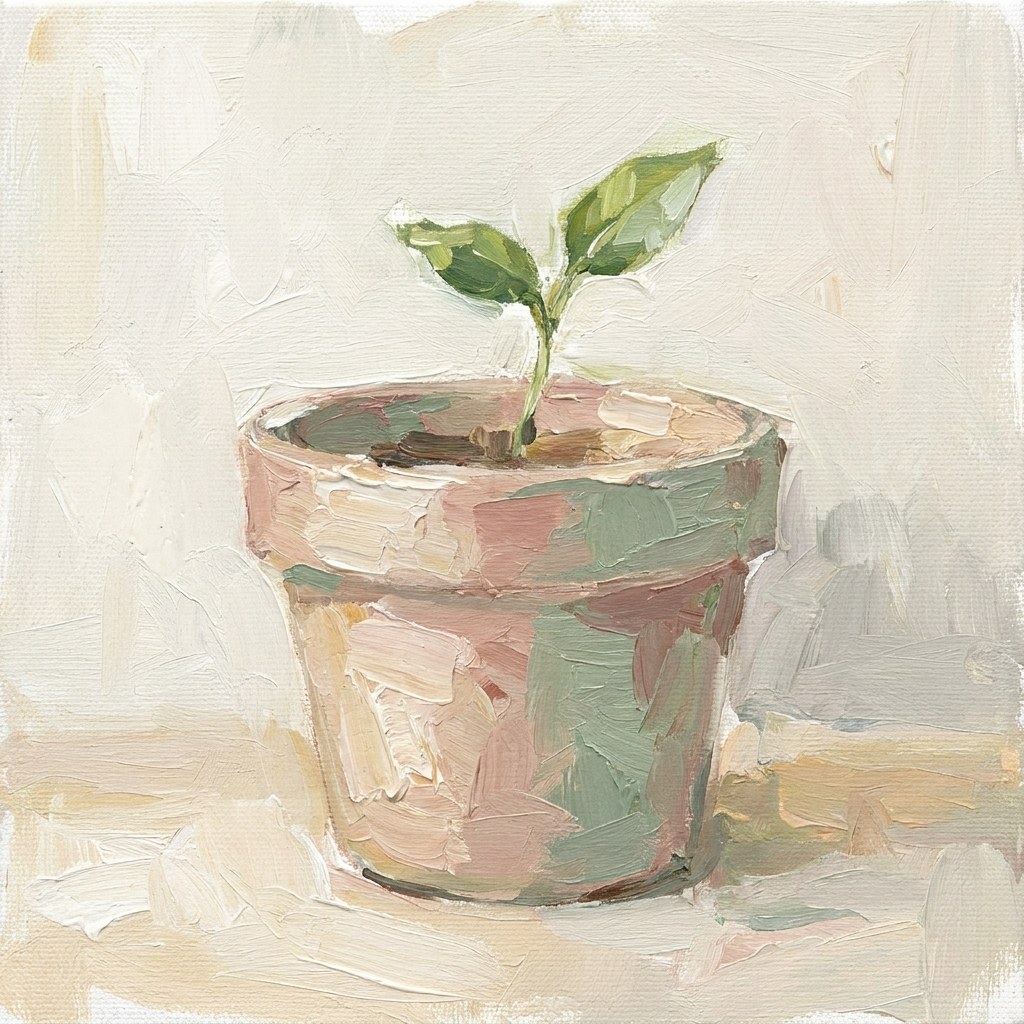
Who you are becoming through this
Everyone says you will come out stronger. The truth is more honest and more hopeful: growth is real, but it is not automatic. Here is how it actually works.
Read it ›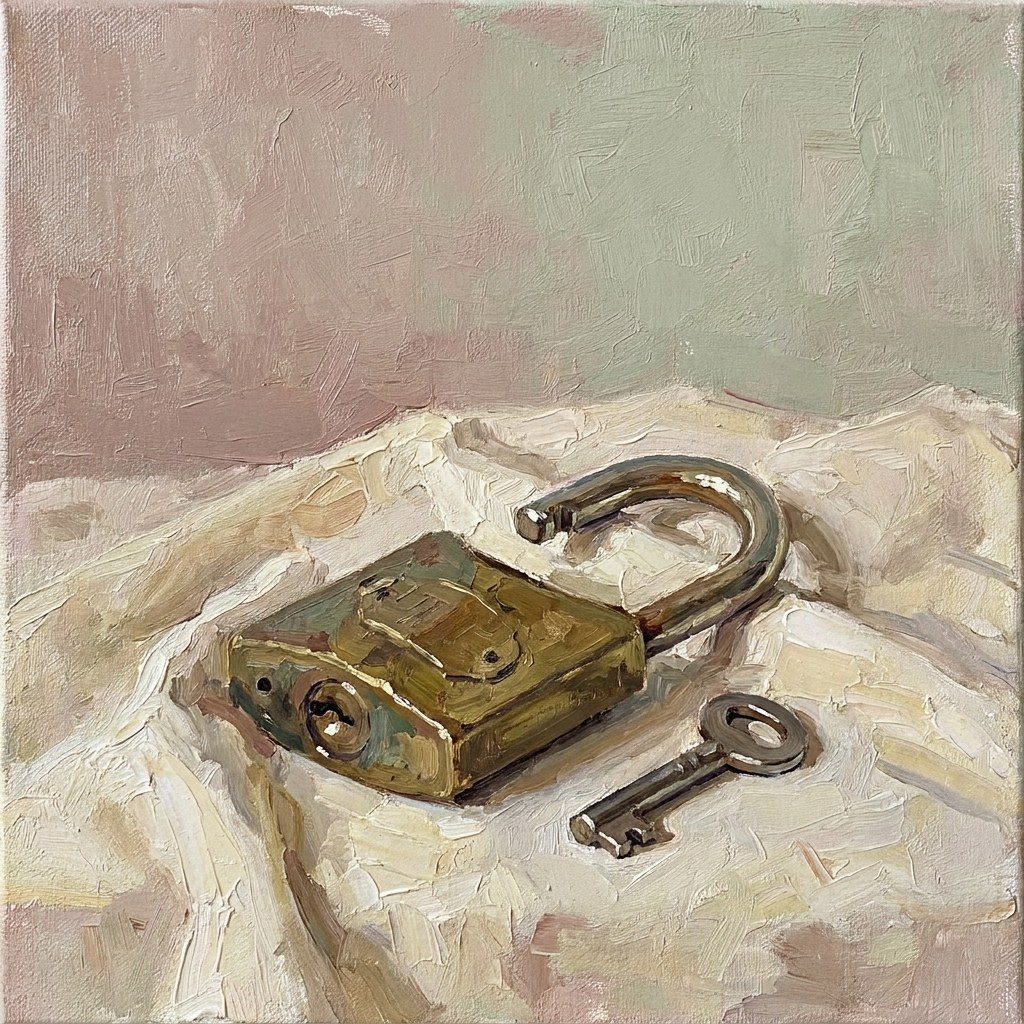
How to trust a new partner after past hurt
You found someone kind. So why does your chest tighten when their phone lights up? The fear is not about them. Here is what it is, and how to move with it.
Read it ›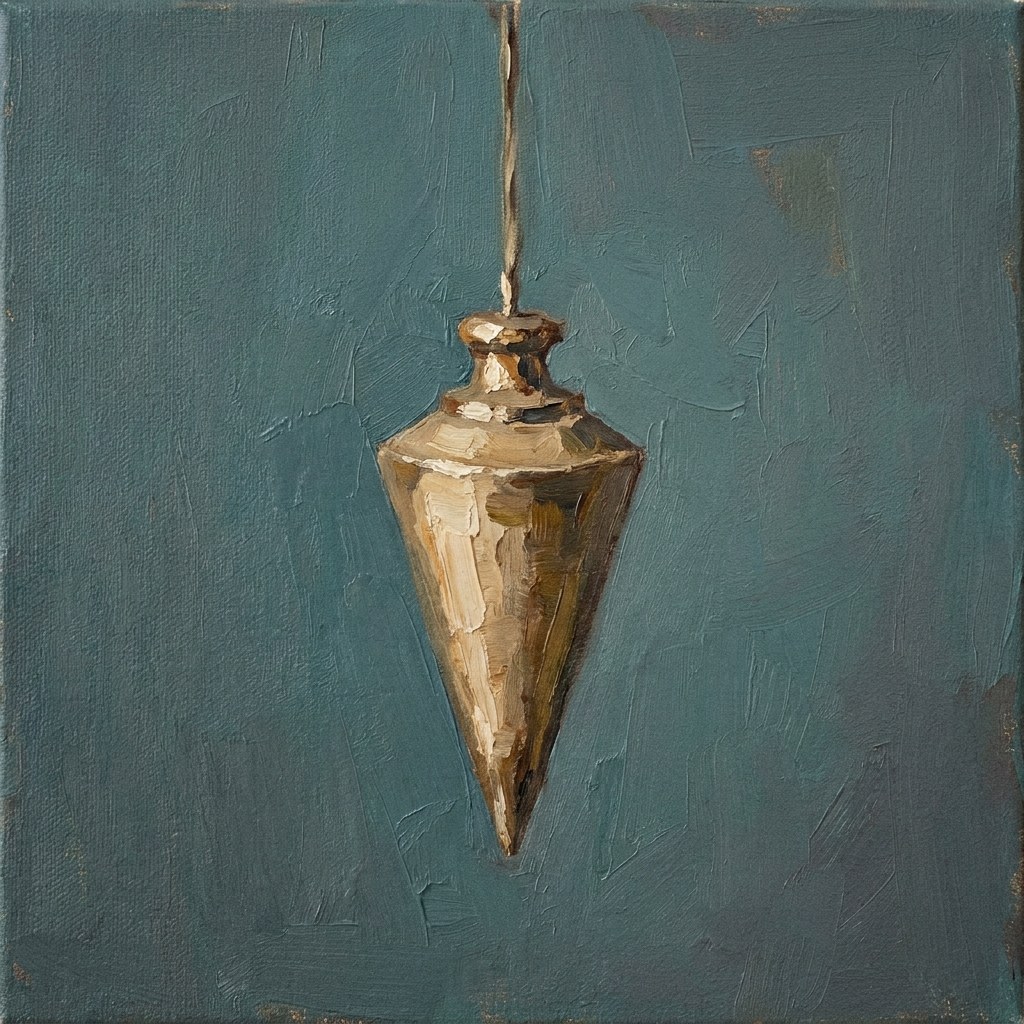
Rebuilding trust in yourself
You keep asking how you missed it. The deepest wound of betrayal is the one to your faith in your own judgement. Here is how it heals.
Read it ›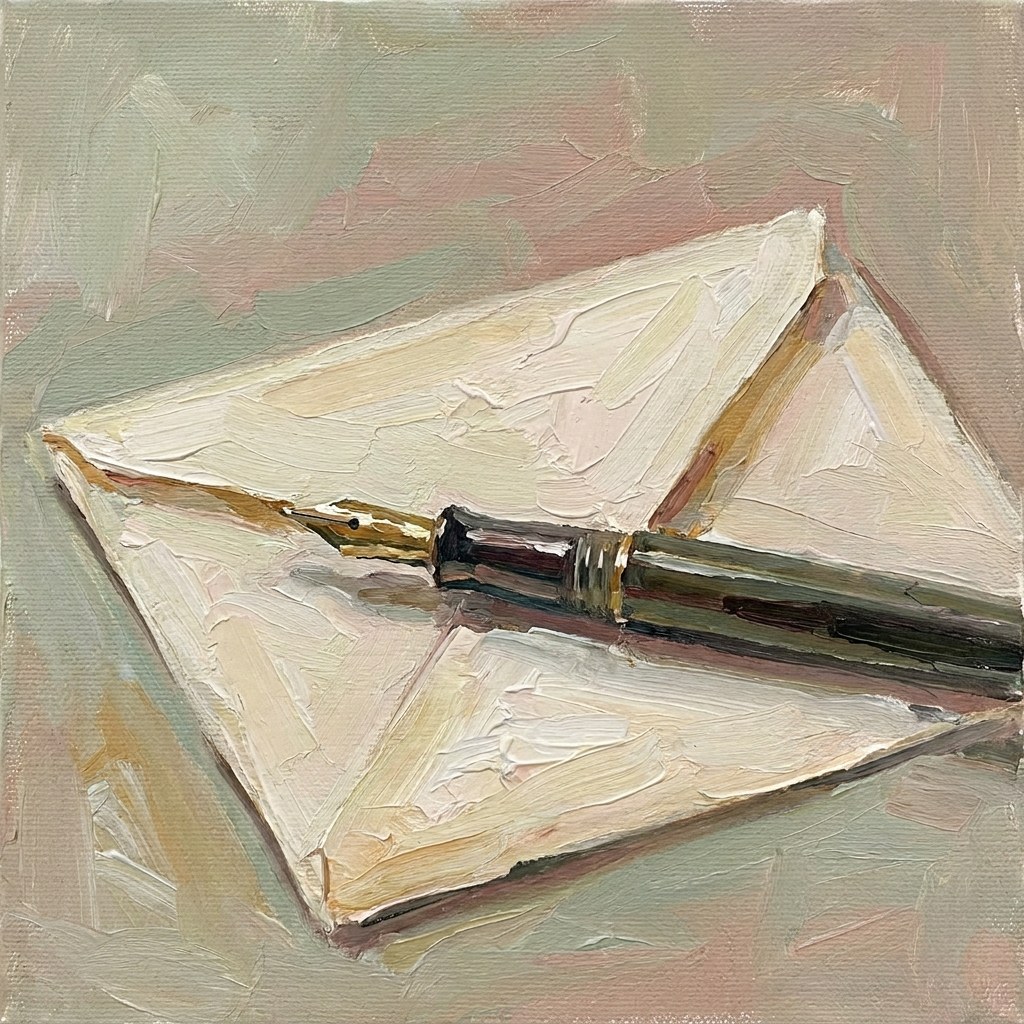
Becoming someone trustworthy again
You said sorry. You meant it. And still my partner flinches. Here is what it actually takes to become a safe person again.
Read it ›
Dating again after betrayal: when and how
You want connection again, and you are terrified of getting hurt again. Here is how to know when you are ready, and how to go gently.
Read it ›
How to rebuild self-worth after betrayal
Somewhere in the pain is a quiet, corrosive question: was I not enough? Here is why that question is the wrong one, and how your sense of worth comes back.
Read it ›
Getting through the holidays after betrayal
Everyone wants you joyful and present, and you are barely holding on. Here is how to get through the season without pretending, and how to know you are further along than you feel.
Read it ›
Hysterical bonding: why you want them more
You found out my partner cheated, and now you want them constantly. It feels confusing and even shameful. Here is what is actually happening to you.
Read it ›
Surviving the affair anniversary
A date on the calendar that means nothing to anyone else, and your body has been bracing for it for weeks. Here is why, and how to get through it.
Read it ›Should I see the evidence, or let it go?
Your partner's phone is right there, unlocked. Part of you needs to know everything. Part of you is terrified of what you will find. Here is an honest look at the choice.
Read it ›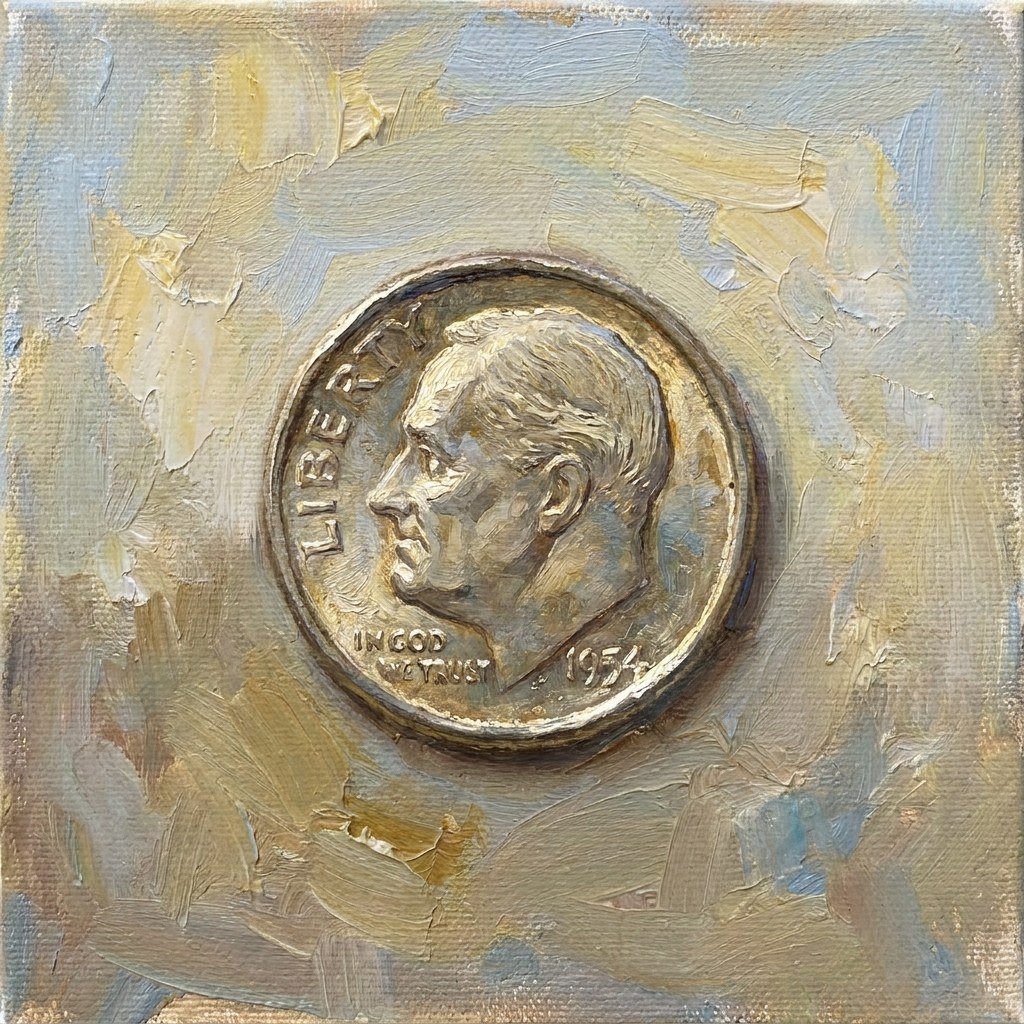
What betrayal actually is
We talk about the affair, the discovery, the aftermath, and almost never about the thing itself. Betrayal is not any harm done by someone close. It is a specific thing with a premise, and the premise is trust, which is the most valuable and most fragile thing two people ever make. Here is what betrayal is, how many shapes it takes, why it has always been judged the coldest sin, and why a relationship without it, even one full of mistakes, is as close to heaven as life on earth gets.
Read it ›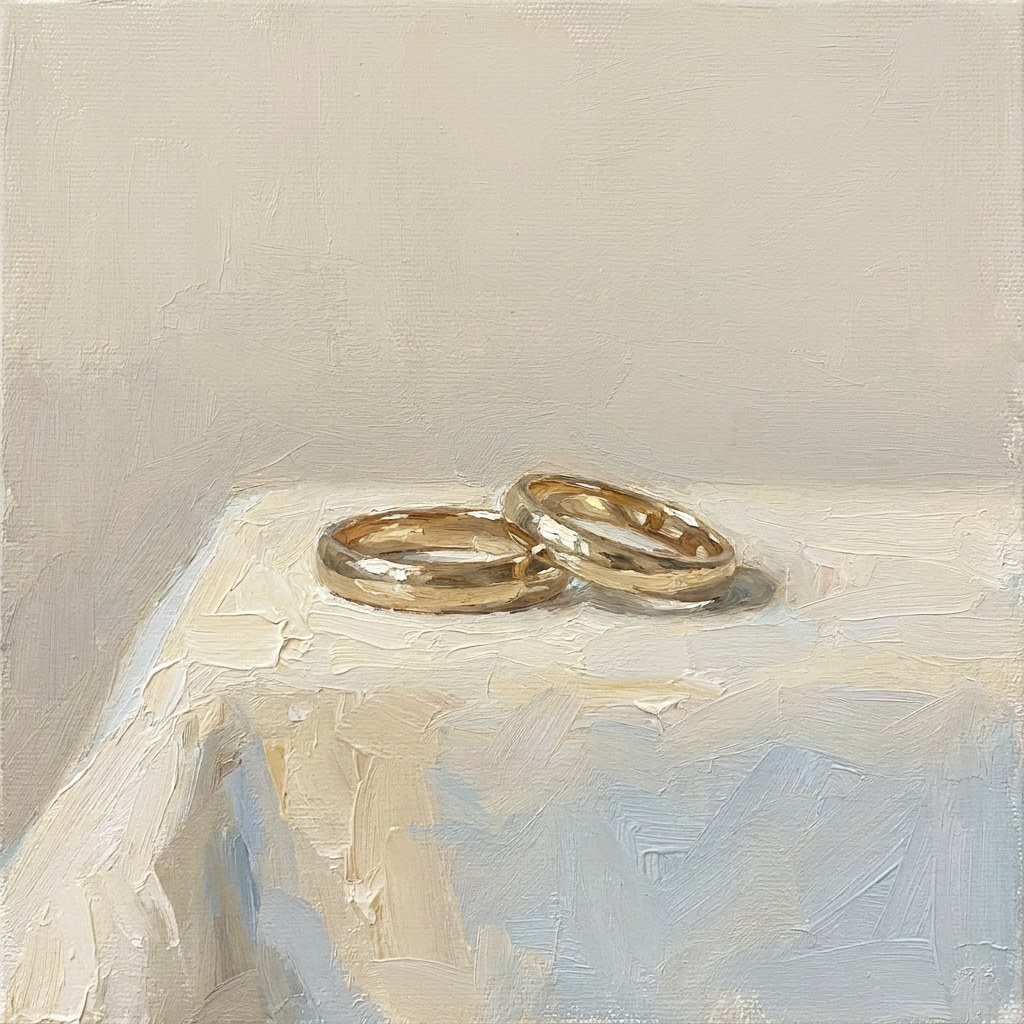
How to love one person for a lifetime, and why it is the making of you
Lasting love is treated as either a fairy tale or a compromise. It is neither. It is a discipline with a real price and a real reward, the reward being the rarest thing a human life offers: to be fully known by another person and chosen anyway, every day, with someone beside you to face everything that comes. Here is what it takes, what it costs, and why it is the deepest test of a soul.
Read it ›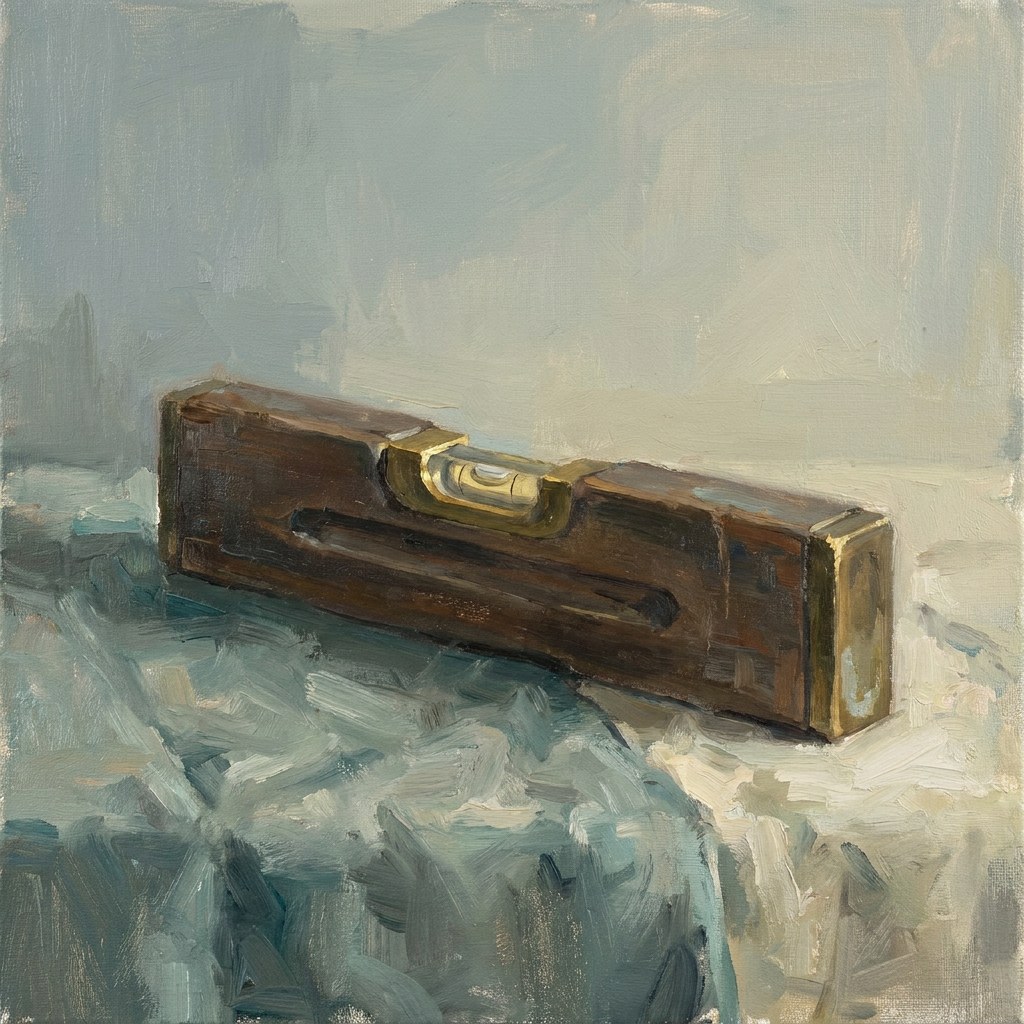
How trust is actually rebuilt, and why the one who broke it has to become trustworthy first
Trust is not given back, waited back, or promised back. It is rebuilt, slowly and against the evidence, by one person becoming genuinely trustworthy through action and the other daring to see it. Here is what that takes, in what order, why it is so slow, and the things that quietly destroy it along the way.
Read it ›
Why betrayal hits like trauma, and why that is not weakness
You are not overreacting, and you are not going crazy. Betrayal by the person your whole nervous system had filed under safe is a specific kind of injury, and the disorientation, the sleeplessness, the checking, the physical sickness of it are normal responses to it, not signs that something is wrong with you. Here is what is actually happening, and how you get through it.
Read it ›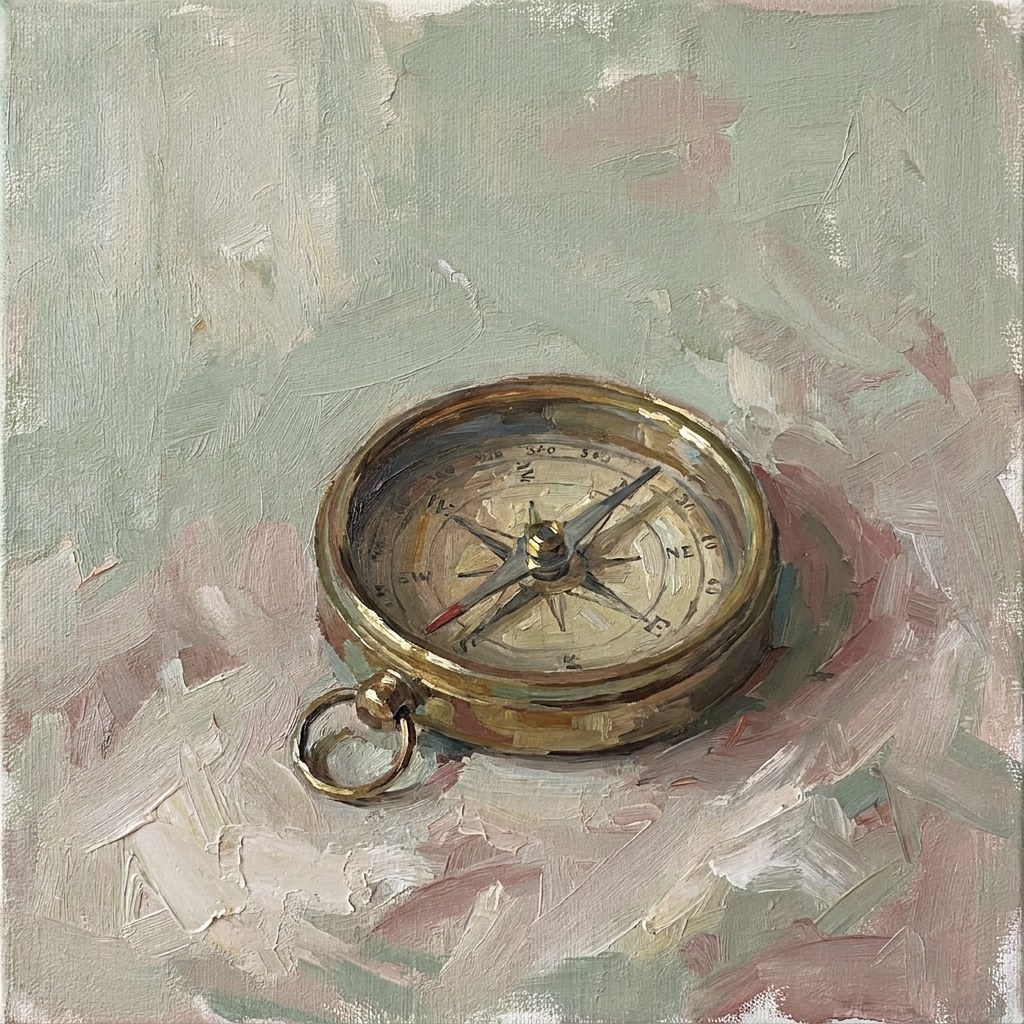
Who you become on the other side of betrayal
Betrayal will change you. The only question is into what. Not the hardened, walled-off person who never trusts again, and not the patched-up version of who you were before, but something truer: more honest, harder to fool, more alive to what is real. This is how that happens, why it is a choice and not a reward, and what it costs.
Read it ›
A true soul is never boring
Genuine things are interesting in a bottomless way, and a scripted role, however dazzling at first, always runs out. Which means the boredom you feel around a performance is not indifference. It is a finely made instrument, telling you the truth before your reasons can.
Read it ›
When the betrayed becomes the one full of contempt
Your contempt is not a character flaw. It is the accurate response to something contemptible, and no one has the right to tell you to drop it. But there is a difference between contempt as a verdict you reached and contempt as a place you now live, and the second one costs you more than it costs them.
Read it ›
Confabulation vs bullshitting vs lying: how to tell them apart
Someone tells you something untrue. Are they deceiving you, indifferent to the truth, or honestly mistaken? These look similar from outside and are completely different underneath, and mistaking one for another is how you end up fighting the wrong battle.
Read it ›
The disgust that arrives late
At first there was shock, then grief, then anger. The disgust came afterward, sometimes long afterward, and its coldness and force can be more disturbing than the pain was. It is not a relapse and not an overreaction. It is a verdict your body reached once the shock let it through.
Read it ›
Real repair versus performed repair: how to tell the difference
In the first weeks after it comes out, someone genuinely changing and someone performing change can look nearly the same. Both apologise, both cry, both promise. The difference shows up later, in the quiet, when there is no audience and no crisis to perform for.
Read it ›
Reconciliation is a project, not a feeling
The question is not 'do we still love each other?' Love is usually still there, and it is not enough. Rebuilding after betrayal is closer to a construction project than a romance: it has phases, it has jobs that belong to each person, and it can be done well or badly.
Read it ›
Why safe love can feel boring
The steady, kind, available person leaves you strangely flat, while the inconsistent one electrifies you. It feels like your heart telling you the truth about chemistry. It is usually a nervous system trained on chaos, mistaking calm for the absence of love.
Read it ›
Secondhand betrayal: when you know what they did to someone else
You were not the one they betrayed the first time. But you know it happened, and now you live with the knowledge that they are capable of it. The question is how much that should weigh, and the honest answer is: it depends entirely on one thing.
Read it ›
Why you keep falling for people who need saving
You are drawn, again and again, to people who need saving, and you call it love or compassion. Sometimes it is. But sometimes it is a strength that does not know how to be at peace, that only feels like itself when there is something broken to hold together.
Read it ›
Why being reliable gets you taken for granted
The steadier and more dependable you are, the more you seem to fade into the background, needed constantly and noticed rarely. It is a genuinely painful position, and it runs on a mechanism you can actually understand, which is the first step to changing it.
Read it ›
The atonement you cannot extract
You are not really asking for an apology anymore. You are trying to make them feel it, the full weight, the way you feel it. But genuine remorse is the one thing that stops being genuine the moment you force it, and the pursuit of it can quietly cost you more than the betrayal did.
Read it ›
What we actually know about infidelity, and the comfortable lies that hide it
Infidelity is the subject everyone has an opinion about and almost no one reads the research on. Here is the honest version, built from the strongest recent studies: what predicts it, what does not, why the numbers are shakier than they look, and why the truest account refuses both the monster story and the it-was-the-marriage story.
Read it ›
A mistake vs a pattern: one betrayal, or a character?
Everyone fails. The question that decides whether to rebuild or leave is not how much it hurt, but what it was: a genuine lapse from who someone is, or one more data point in who they have always been. Here is how to tell them apart before you bet years on the answer.
Read it ›
Control vs care: is jealousy love, or a leash?
The most effective control never calls itself control. It calls itself love, worry, protection, passion. But care and control pull in opposite directions, one toward your freedom and one toward your cage, and there is a simple test that tells them apart.
Read it ›
'Cut off anyone who costs you' is the easy exit wearing therapy's clothes
Some people genuinely need to be left. But not everyone who disappoints you is toxic, and cutting off is not the same as having boundaries. Here is the line between protecting yourself and simply never learning to repair.
Read it ›
The dark tetrad, and the comfortable lie that evil is only other people
Narcissism has become an industry, and most of it flatters you: there are monsters out there, and you are the pure-hearted victim of one. The real picture is harder and more useful. Here is what the dark tetrad actually is, across psychology, history, myth, religion and ethics, and why the line between good and evil runs through you too.
Read it ›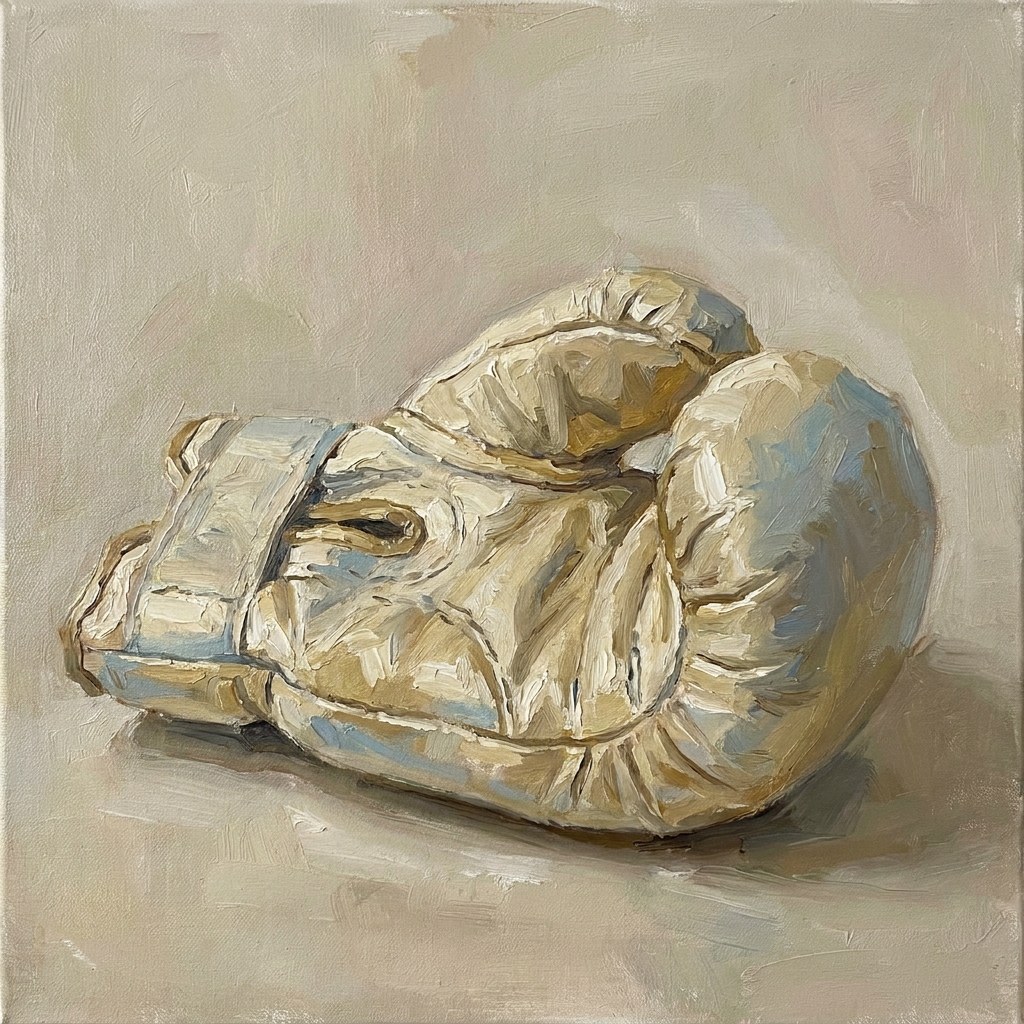
Dominance is not manhood. It is the counterfeit weak men reach for.
A generation of boys is being sold the idea that manhood means control and intimidation. The science of how power actually works, even among chimpanzees, says that is exactly backwards. Here is what a man actually is.
Read it ›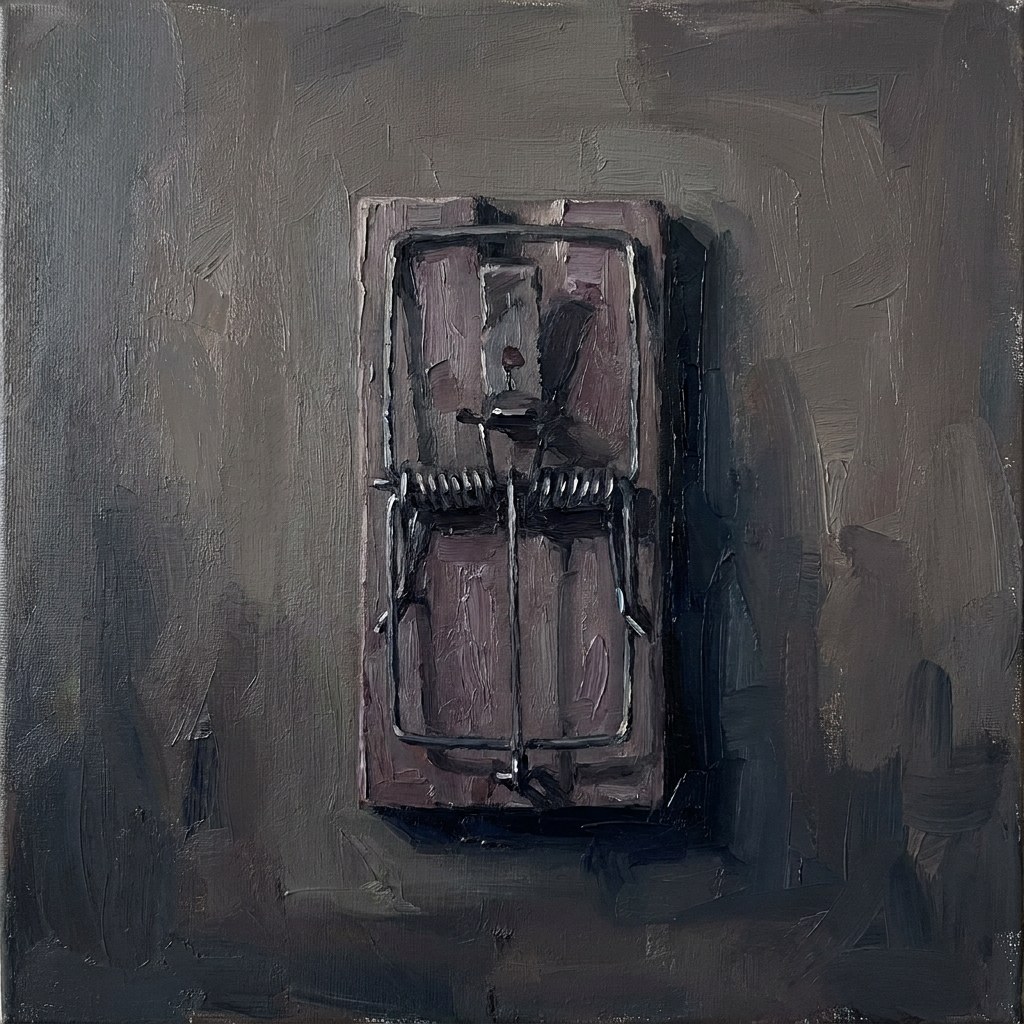
Everyday sadism: the ordinary cruelty that enjoys itself
The other dark traits use your pain or ignore it. This one wants it, because the suffering itself is the reward. It is the newest addition to the map of dark personality, the darkest point on it, and the one hiding in plain sight in the comment section.
Read it ›
Your feelings are information, not instructions
We are told the honest, authentic life is the one that obeys its feelings. But a feeling can be wisdom or it can be the residue of a bad night's sleep, and it arrives wearing the same face either way. Here is how to use your emotions without being ruled by them.
Read it ›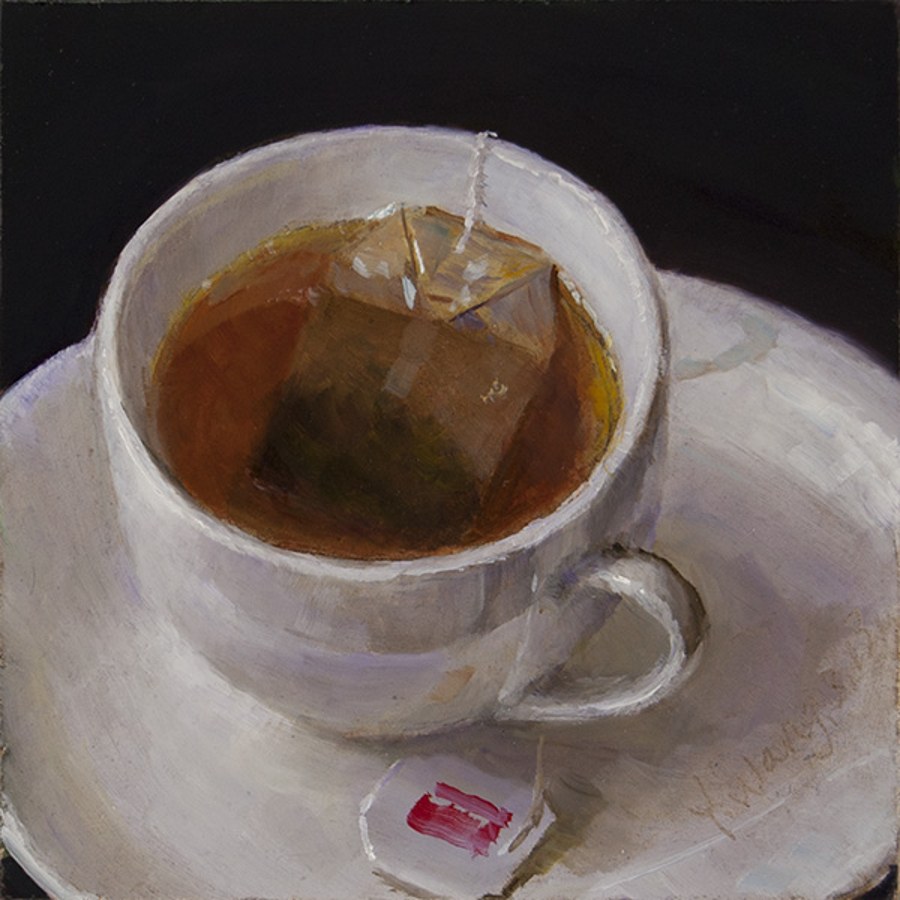
It is not the pursuit of happiness. It is the happiness of the pursuit.
We built a culture around arriving at happiness, and arrived at anxiety and emptiness instead. The brain and the philosophers point the same way: joy is in the striving, meaning is in the weight you agree to carry, and neither can be faked to the one person you can never leave, yourself.
Read it ›
'If it's hard, it's wrong' is the most expensive lie you can believe
We were trained by a world of one-tap everything to read effort as a sign we took a wrong turn. But friction is not the absence of love or fit. It is the presence of something real. Here is why difficulty is usually the price, not the warning.
Read it ›
You judge all the time. The only question is whether you do it well.
We treat judgement as the opposite of kindness, something the good person has risen above. It is the opposite. Here is the case for judgement as a skill, and why refusing to use it is how people walk into the worst decisions of their lives.
Read it ›
Independence was never the goal. Dependability is.
Needing no one is sold as the finish line of growing up. It is the starting line. Here is why the point of standing on your own two feet was always to become someone others can lean on, and be able to lean back.
Read it ›
Knowing your pattern is not the same as being free of it
You did the work. You understood exactly why you keep ending up here. And then you ended up here again. That is not the work failing. It is the most important thing there is to learn about a pattern: knowing it is like knowing every note of a piece of music, and knowing the notes is not the same as being able to play it.
Read it ›
The comfortable lies of our time
Every age tells itself flattering lies. Ours cluster around power and truth, and we may be the most deluded age yet, because we are the first rich enough that truth is no longer required to survive.
Read it ›
'Live in the moment' is usually just hedonism with better branding
It sounds like wisdom from a mountaintop. Most of the time it means take the pleasure now and let someone, probably future you, pay for it. Here is the difference between presence and indulgence, and why nothing good is ever actually free.
Read it ›
Love vs a trauma bond: why the hardest one to leave is often the one to leave
It feels like the deepest connection of your life, which is exactly why you cannot walk away. But a bond forged in cycles of pain and relief is not love, it is a kind of addiction, and the craving you mistake for love is the clearest sign it is time to go.
Read it ›
Narcissism vs Peter Pan syndrome: a wound, or a refusal to grow up?
From the outside they look like the same difficult person: self-absorbed, allergic to responsibility, draining to love. But underneath, one is running from a wound and the other from a fear, and telling them apart changes what you should actually do about it.
Read it ›
Narcissist vs emotionally unavailable: using you, or afraid of you?
One pulls away because closeness frightens them; the other pulls away because you have stopped being useful. From the cold side of the bed they can feel identical. But one can grow toward you and the other cannot, and telling them apart is the difference between patience and an exit.
Read it ›
You grow old before you grow up
The culture worships eternal youth and treats responsibility as the moment the fun dies. It is exactly backwards. Here is why refusing to grow up does not keep you young, it just leaves you old and unformed, having skipped the best part.
Read it ›
If they don't really know you, they can't really love you
You can share a bed, a mortgage, and ten years with someone and still be strangers. Here is why intimacy is made of truth, and why a bond built on a hidden self was never real to begin with.
Read it ›
Psychopath vs sociopath: what the words actually mean, and what they don't
Neither is a horror-film monster, and neither is quite what you think. One points at something you may be born with, the other at something the world does to you, but the science is messier and more human than the labels. Here is what is really being named.
Read it ›
Remorse vs regret: do they feel bad, or just caught?
They can produce identical tears and identical words. But remorse is turned toward your pain, and regret is turned toward their own, and only one of them predicts that anything will actually change. Here is how to read which sorry you are being given.
Read it ›
Resentment after betrayal is not a feeling to get rid of
It feels like the one thing standing between you and peace, so everyone, including you, keeps telling you to let it go. But resentment is the mind keeping a careful record of harm that has not yet been resolved, and it eases not when you suppress it, but when you answer what it is guarding.
Read it ›
How to spot dark traits without becoming paranoid: watch the pattern, not the charm
The two failures are equal and opposite: trust everyone and get used, or suspect everyone and end up alone. The way through is not a sharper radar for monsters. It is learning to read patterns over time, and to run one simple test on how a person treats the people who cannot help them.
Read it ›
The banality of evil: the worst harm is done by ordinary people who stopped thinking
Everything else in this collection maps the rare, dark personality. This essay is the uncomfortable counterweight: the largest horrors in history were built mostly out of unremarkable people, following orders, going along, not thinking. Which changes the question you have to ask about evil, and about yourself.
Read it ›
The bullshitter: you cannot wake someone who is pretending to be asleep
You bring facts. They bring maneuvering. You feel like you are going insane, because you are playing a game about what is true and they are playing a game about not losing. Here is the difference between lying and bullshit, why you can never win on evidence, and what actually works instead.
Read it ›
The power game: when love becomes about winning
Beneath a great deal of what people call toxic sits one quiet mechanism, the need to have the upper hand. It disguises itself as strength and it is the reverse, and the research on what actually breaks relationships explains both why it is so destructive and why the only way to win it is to stop playing.
Read it ›
The shadow: the darkness you spot fastest in others is the map of your own
The cruelty, the envy, the will to dominate, the capacity to deceive, we would all rather believe those belong to other people. Jung's warning is that the parts you disown do not leave. They go underground, and from there they run the show. Here is why owning your shadow is the opposite of dangerous.
Read it ›
Toxic vs difficult: is it abuse, or a hard relationship?
Not every hard relationship is abusive, and not every abusive one looks dramatic. The real line is not how much it hurts but whether there is a pattern of power and control, whether you live in fear, and whether you are slowly getting smaller. Here is where difficult ends and abuse begins.
Read it ›
Trusting your gut without a smoking gun
You have no evidence, just a feeling that will not leave, and you keep talking yourself out of it because you cannot prove anything. But your gut is not being unfair. It is reading something real, faster than your mind can justify. You do not need a smoking gun to protect your own peace.
Read it ›
Most of what we call love is just wanting
We call obsession love, and need love, and chemistry love. Here is the harder, cleaner definition, the difference between loving someone and liking them, and why a relationship needs both to survive.
Read it ›
Machiavellianism is the cold art of using people, and the user pays for it too
Of the dark traits, this is the one that looks most like competence: strategic, patient, unbothered. But underneath the mastery is a single move, treating a person as a means rather than an end, and it quietly costs the manipulator the one thing strategy cannot win.
Read it ›
Narcissism is a wound wearing a mask, not too much self-love
The word gets thrown at every difficult ex and demanding boss. The real thing is stranger and sadder: not a person who loves themselves too much, but one who cannot love themselves at all, and has built a performance to hide it. Here is what narcissism actually is.
Read it ›
Psychopathy is a missing conscience, not a horror-film villain
Strip away the movies and the true definition is quieter and more chilling: a person built without the internal brake the rest of us take for granted, the flinch at another's pain, the weight of guilt, the pull of conscience. Here is what that actually is, and what it means for anyone trying to trust one.
Read it ›
The one who cares less does not win. They lose the only game that matters.
We are taught that the moment you show you care, you have handed the other person power and lost. It is a recipe for a lonely life, and the mathematics of repeated games says it is wrong. Here is why caring more is the stronger move.
Read it ›
Why manipulators exist: the cheater strategy that feeds on trust
Dark personalities are not a random glitch of nature. They are a predictable minority that any society of trusting people will always contain, because deceiving the cooperative majority pays, as long as the deceivers stay few. Here is the uncomfortable logic, and what it means for you.
Read it ›
'You're perfect the way you are' is where the mask is born
It sounds like pure affirmation. But if perfection is the price of love, then the day you notice you are not perfect, the flawed and real parts of you have to go into hiding. Here is the gentler, harder truth underneath.
Read it ›
Nobody completes you. Two halves make a hostage situation, not a marriage.
The most romantic line in the culture is quietly one of the most corrosive. Love is not two broken pieces snapping together. Here is why you have to arrive whole, and what changes when you stop asking a person to be the part of you that is missing.
Read it ›
Intrusive thoughts after being cheated on
The pictures play without your permission, again and again, in the middle of a meeting or at 2am. That is not you losing your mind. Here is what those thoughts are, and how they quiet down.
Read it ›
The lost art of repair
We are taught how to choose, how to leave, how to start over. Almost no one is taught how to mend. That gap is shaping our relationships more than we admit.
Read it ›
What questions should I ask after infidelity?
You have a thousand questions and no idea which ones will help and which will haunt you. Here is how to tell the difference, and what to actually ask.
Read it ›
Why betrayal hits like trauma
The shaking, the sleeplessness, the inability to eat or think. That is not you being dramatic. It is a nervous system responding to a real injury. Here is what is happening, and why.
Read it ›
Better judgement: how to read a person over time
We have replaced judgement with a checklist of red flags and a snap yes or no. Here is the older, slower skill that actually keeps you safe.
Read it ›
Can a cheater really change? What real change looks like
Once a cheater, always a cheater is too easy, and too kind to no one. Here is the honest answer, and the signs that separate real change from a good apology.
Read it ›
Can a marriage survive infidelity? What the numbers say
You want the odds. Here they are, honestly, along with the thing the odds cannot tell you: what actually moves them in your case.
Read it ›
The case for commitment in a disposable age
We are told commitment is the cage and options are the freedom. Here is the argument that it is the other way around.
Read it ›
Forgiveness is not forgetting, and not at any cost
You are told to forgive, and it feels like being asked to pretend it never happened. It is not. Here is what forgiveness actually is, and what it is not.
Read it ›Healing after betrayal
Why it hurts in your body, why the checking loop is so hard to stop, and how healing actually happens, alone or together.
Read it ›
How long does betrayal trauma last?
You want to know when you will feel like yourself again. Here is an honest timeline, what shortens it, and why the zigzag is normal.
Read it ›
How trust is actually rebuilt (it is not by promises)
Words reset the count to zero. Only repeated, reliable, boring action moves it. Here is how trust is really rebuilt after betrayal, by both people.
Read it ›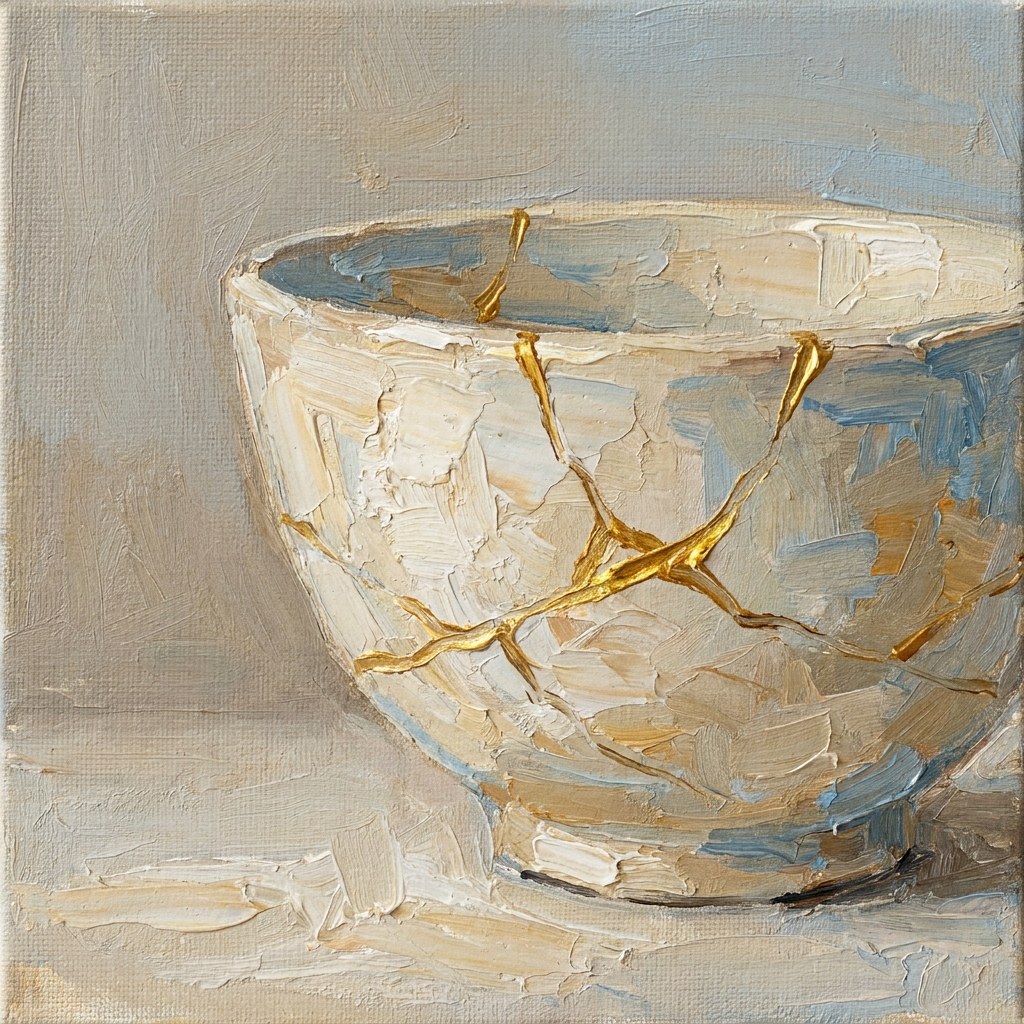
Kintsugi: the art of repair you can see
The Japanese mend broken bowls with gold, so the crack becomes the most beautiful part. It is the truest picture of repair we know.
Read it ›
Modern love was built to be easy to leave
Everything about how we meet now is optimised for the exit. Here is what that costs, and the case for building something that holds.
Read it ›
You are not crazy. You were lied to.
The racing thoughts, the second-guessing, the sense that you cannot trust your own mind. That is not madness. It is what deception does, and it lifts.
Read it ›
What the old novels knew about love that the apps forgot
Before love was a grid of faces, the great novelists studied it as a long, tested, chosen thing. They knew what we are busy forgetting.
Read it ›
Should you stay? Decide on the trend, not the worst day
You resolve to leave at midnight and resolve to stay by morning. Here is how to make this call on evidence you can actually see, instead of on the swing of a single day.
Read it ›
Why you can't stop checking, and how the loop ends
Reading the messages again buys a few minutes of calm, then leaves you worse. Here is why the urge holds on, and how it actually loosens.
Read it ›
Is it the trauma, or is it real?
Your gut was wrong about the biggest thing once. Here is how to tell the fear betrayal left behind from a real warning, and how to start trusting your own read again.
Read it ›
What is trickle truth, and why it hurts so much
The story keeps changing. A new detail surfaces every week, each one reopening the wound. Here is what trickle truth is, and what it is telling you.
Read it ›Browse by theme
Every essay in the journal, grouped by what it is about.
Surviving
- Healing after betrayal
- How long does betrayal trauma last?
- Hysterical bonding: why you want them more
- Intrusive thoughts after being cheated on
- Is it the trauma, or is it real?
- Knowing your pattern is not the same as being free of it
- Real repair versus performed repair: how to tell the difference
- Reconciliation is a project, not a feeling
- Resentment after betrayal is not a feeling to get rid of
- Surviving the affair anniversary
- The atonement you cannot extract
- The disgust that arrives late
- What is trickle truth, and why it hurts so much
- When the betrayed becomes the one full of contempt
- Why being reliable gets you taken for granted
- Why betrayal hits like trauma
- Why betrayal hits like trauma, and why that is not weakness
- Why safe love can feel boring
- Why you can't stop checking, and how the loop ends
- Why you keep falling for people who need saving
- You are not crazy. You were lied to.
Rebuilding
- Can a cheater really change? What real change looks like
- Forgiveness is not forgetting, and not at any cost
- How trust is actually rebuilt (it is not by promises)
- How trust is actually rebuilt, and why the one who broke it has to become trustworthy first
- Rebuilding trust in yourself
- Should I see the evidence, or let it go?
- What questions should I ask after infidelity?
Deciding
- A true soul is never boring
- Can a marriage survive infidelity? What the numbers say
- Secondhand betrayal: when you know what they did to someone else
- Should you stay? Decide on the trend, not the worst day
- Trusting your gut without a smoking gun
Culture
- 'Cut off anyone who costs you' is the easy exit wearing therapy's clothes
- 'If it's hard, it's wrong' is the most expensive lie you can believe
- 'Live in the moment' is usually just hedonism with better branding
- 'You're perfect the way you are' is where the mask is born
- Better judgement: how to read a person over time
- Dominance is not manhood. It is the counterfeit weak men reach for.
- How to love one person for a lifetime, and why it is the making of you
- If they don't really know you, they can't really love you
- Independence was never the goal. Dependability is.
- It is not the pursuit of happiness. It is the happiness of the pursuit.
- Kintsugi: the art of repair you can see
- Modern love was built to be easy to leave
- Most of what we call love is just wanting
- Nobody completes you. Two halves make a hostage situation, not a marriage.
- The case for commitment in a disposable age
- The comfortable lies of our time
- The lost art of repair
- The one who cares less does not win. They lose the only game that matters.
- What betrayal actually is
- What the old novels knew about love that the apps forgot
- You grow old before you grow up
- You judge all the time. The only question is whether you do it well.
- Your feelings are information, not instructions
Cheating
Growth
- Becoming someone trustworthy again
- Dating again after betrayal: when and how
- Getting through the holidays after betrayal
- How to rebuild self-worth after betrayal
- How to trust a new partner after past hurt
- Who you are becoming through this
- Who you become on the other side of betrayal
Dark traits
- A mistake vs a pattern: one betrayal, or a character?
- Confabulation vs bullshitting vs lying: how to tell them apart
- Control vs care: is jealousy love, or a leash?
- Everyday sadism: the ordinary cruelty that enjoys itself
- How to spot dark traits without becoming paranoid: watch the pattern, not the charm
- Love vs a trauma bond: why the hardest one to leave is often the one to leave
- Machiavellianism is the cold art of using people, and the user pays for it too
- Narcissism is a wound wearing a mask, not too much self-love
- Narcissism vs Peter Pan syndrome: a wound, or a refusal to grow up?
- Narcissist vs emotionally unavailable: using you, or afraid of you?
- Psychopath vs sociopath: what the words actually mean, and what they don't
- Psychopathy is a missing conscience, not a horror-film villain
- Remorse vs regret: do they feel bad, or just caught?
- The banality of evil: the worst harm is done by ordinary people who stopped thinking
- The bullshitter: you cannot wake someone who is pretending to be asleep
- The dark tetrad, and the comfortable lie that evil is only other people
- The power game: when love becomes about winning
- The shadow: the darkness you spot fastest in others is the map of your own
- Toxic vs difficult: is it abuse, or a hard relationship?
- Why manipulators exist: the cheater strategy that feeds on trust